



NWRC Research Areas: Human Dimensions of Wildlife
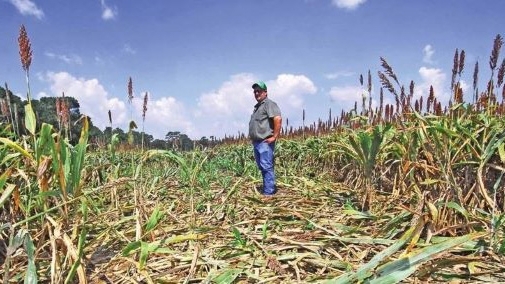
Successfully mitigating human-wildlife conflicts often requires an understanding of the values, needs, preferences, and/or behaviors of affected stakeholders and the broader public. Such an understanding can help wildlife professionals define the nature of a conflict, identify human behaviors that may help or hinder conflict mitigation efforts, and choose effective strategies that most stakeholders will support.
Research about the “human” side of human-wildlife conflicts is the domain of Human Dimensions of Wildlife, an applied field that draws upon a range of social science disciplines to explore questions such as:
Who are the stakeholders for a particular human-wildlife conflict or wildlife management issue?
How are stakeholders affected by the conflict?
Do the stakeholders view the conflict as a problem that requires management?
How would stakeholders prefer the conflict be addressed or mitigated?
What are the values, attitudes, assumptions, and/or concerns that inform stakeholders’ positions about the conflict?
Are there any gaps in knowledge that might influence their positions?
Are there any human behaviors that cause or contribute to the conflict?
How might people be encouraged to change their behaviors?
What are effective strategies for engaging stakeholders?
Related Links
Human Dimensions (Publications)
Contact Us
Human Dimensions of Wildlife
Keith Carlisle, Unit Leader
Email: keith.m.carlisle@usda.gov
Phone: 970-266-6047
4101 LaPorte Avenue
Fort Collins, CO 80521