
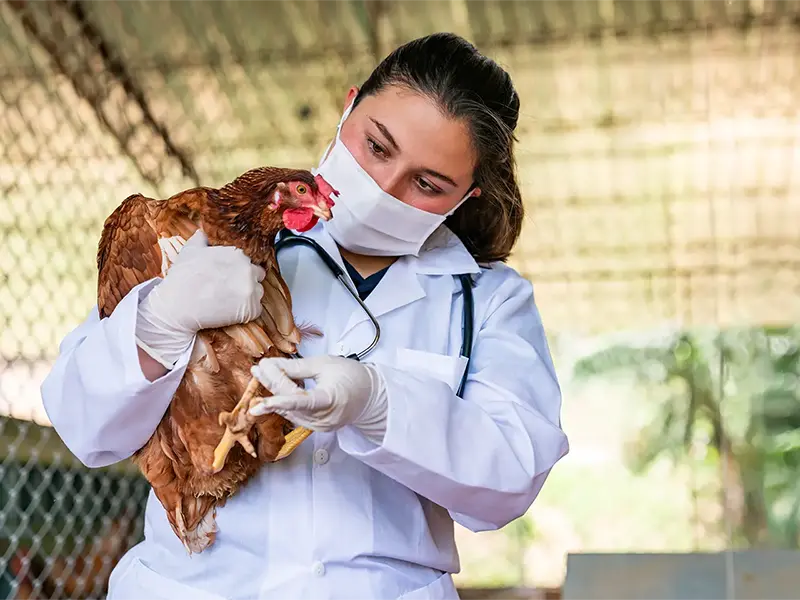
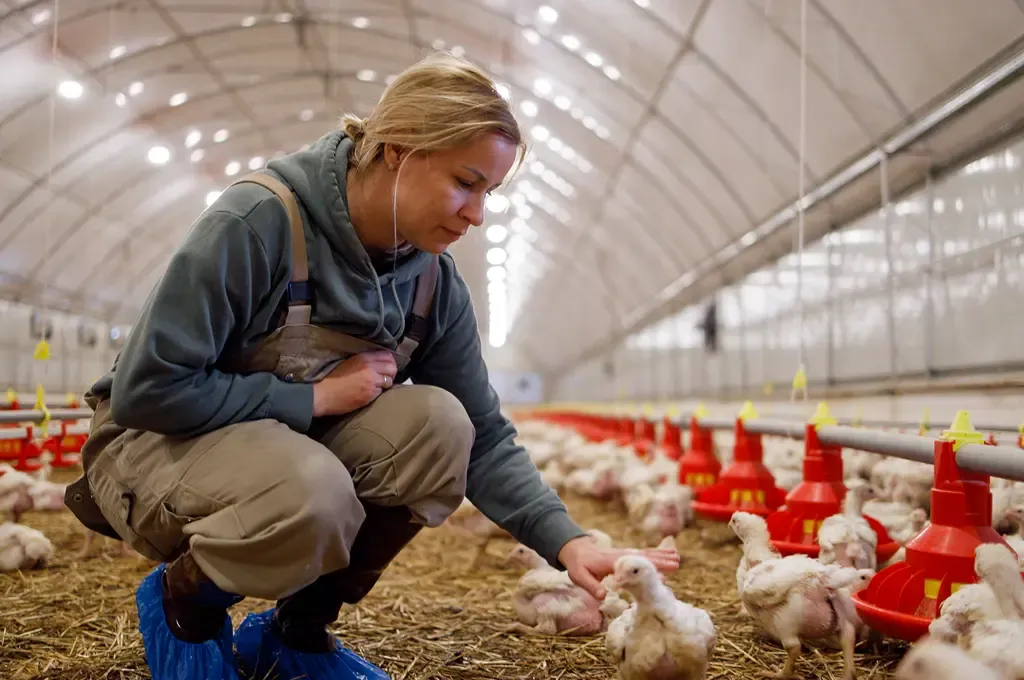
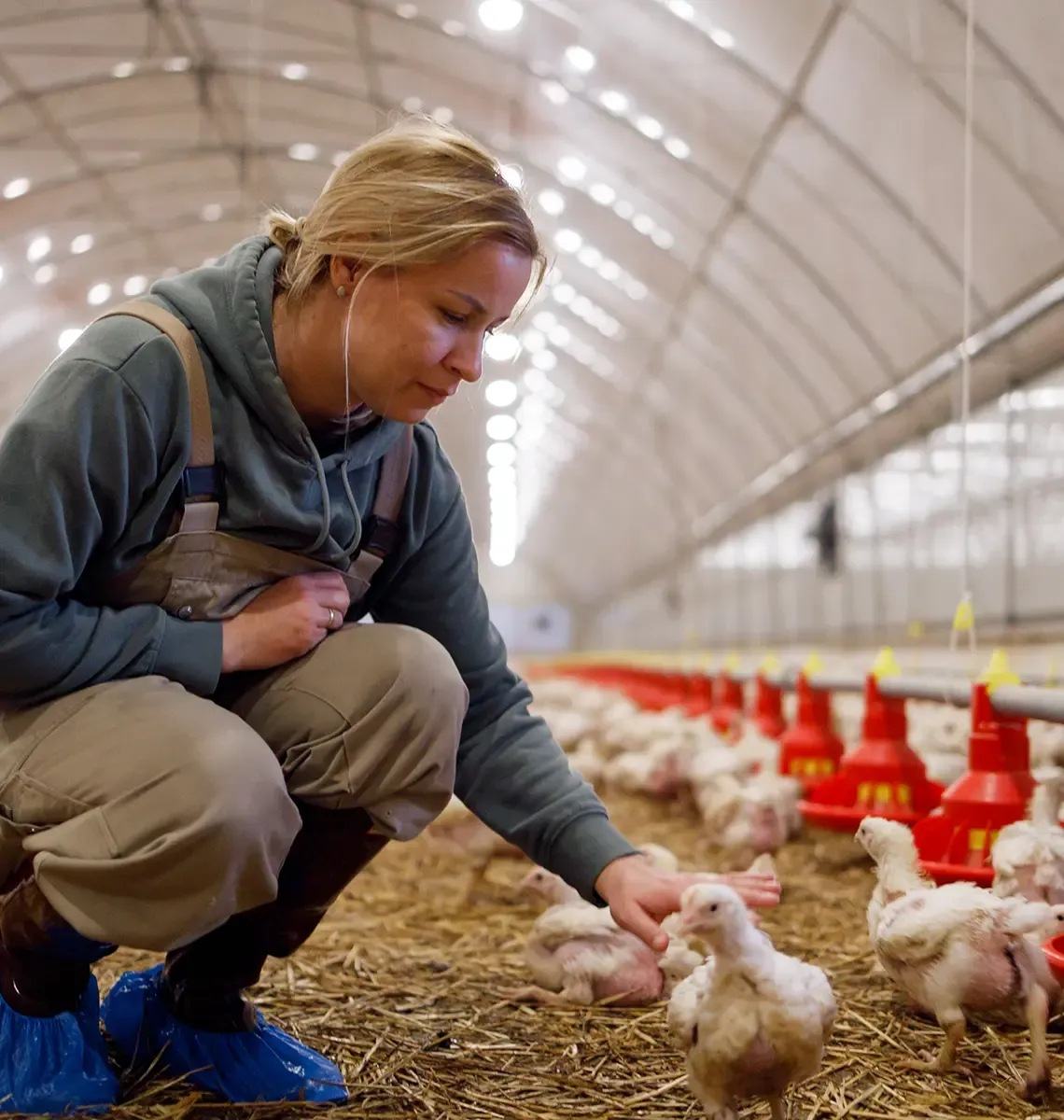
Whether you manage thousands of birds or just a few in your backyard—everyone who works with poultry has a role to play in stopping the spread of avian diseases such as highly pathogenic avian influenza (HPAI). That means practicing good biosecurity, knowing the signs of a sick bird, and acting quickly when something’s not right. Every step you take helps protect the health of your birds and the flocks around you.
Together, we can defend the flock.
Why Avian Disease Matters
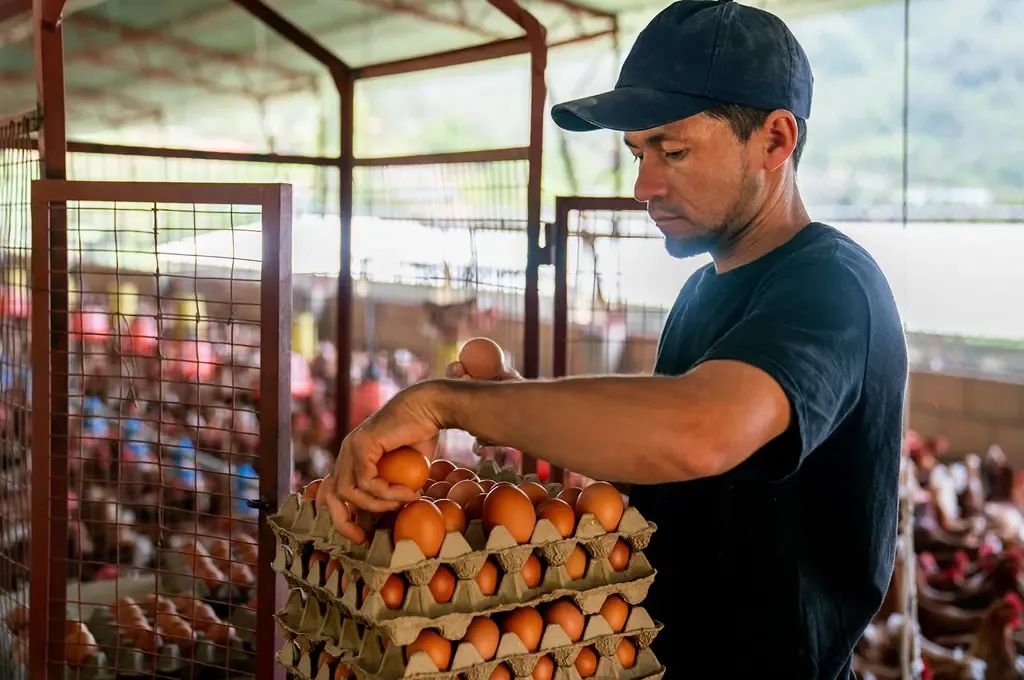
The chicken and the egg and the economy
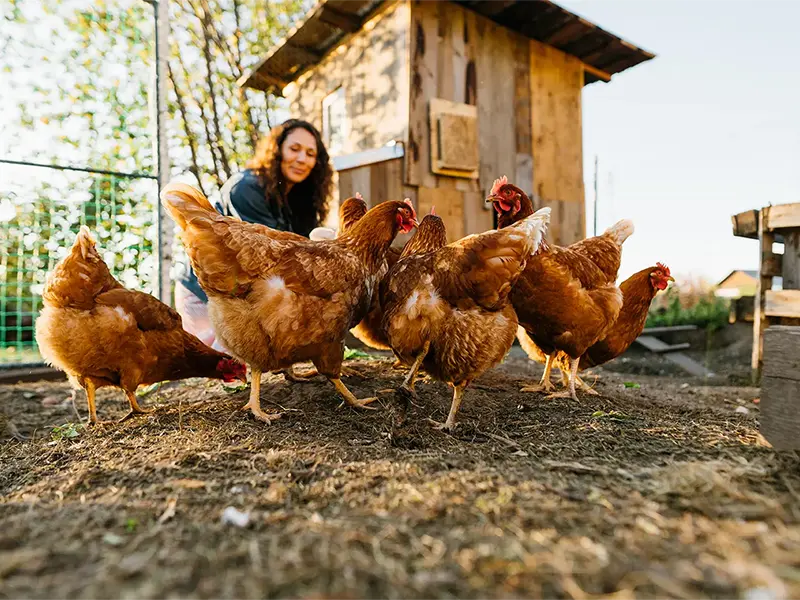
The U.S. poultry industry is one of the largest in the world and an important part of our agricultural economy. Poultry and eggs help feed millions of people every day. When disease threatens our flocks, the effects can be felt across farms, businesses, and communities nationwide.
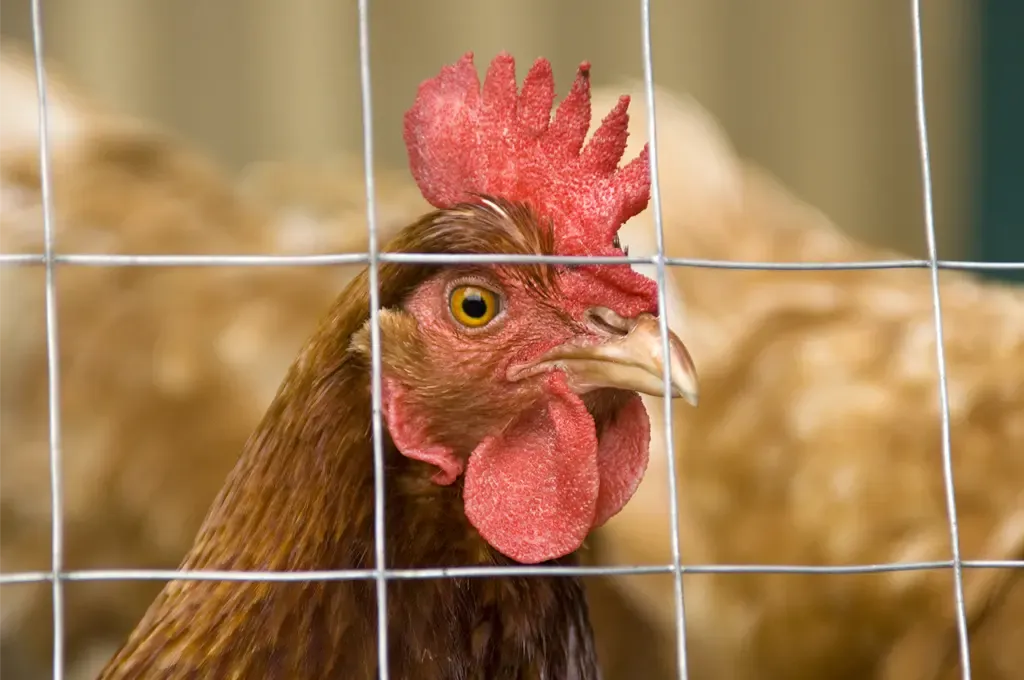
Avian diseases can easily spread. Biosecurity is our best defense.
Avian diseases such as HPAI can spread through contact with infected birds, contaminated equipment, clothing, vehicles, feed, or water. Wild birds can also introduce disease to domestic flocks. Strong biosecurity practices help reduce these risks and are one of the most effective ways to keep birds healthy.
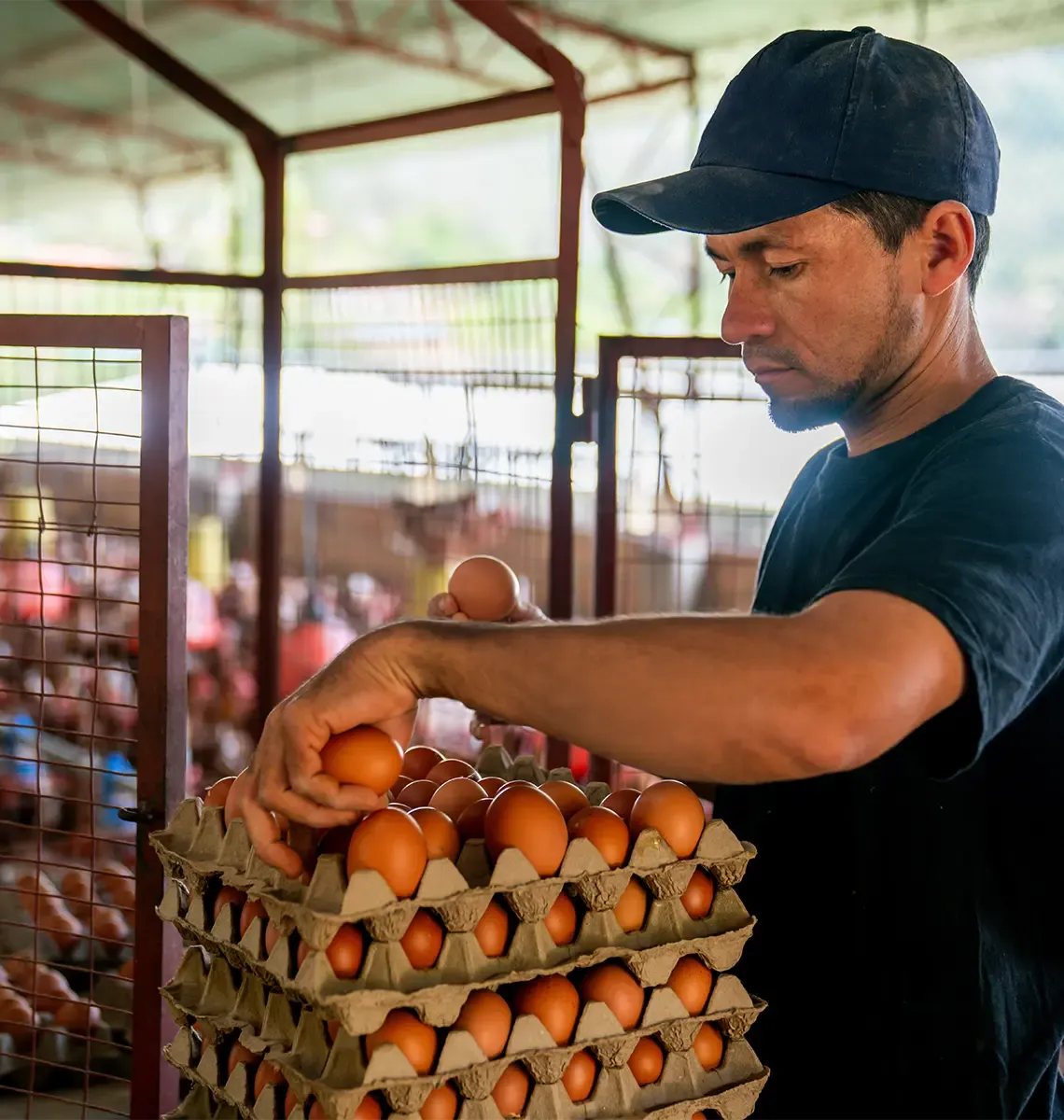
When egg prices soar, we all pay the price.
Disease outbreaks can reduce flock sizes, disrupt food production, and affect the supply of eggs and poultry products. The result can be higher costs for consumers, financial losses for producers, and impacts that ripple throughout the food system.
So, what can we do about it? Strong biosecurity practices can help reduce these risks and protect flock health.
Report Sick Birds
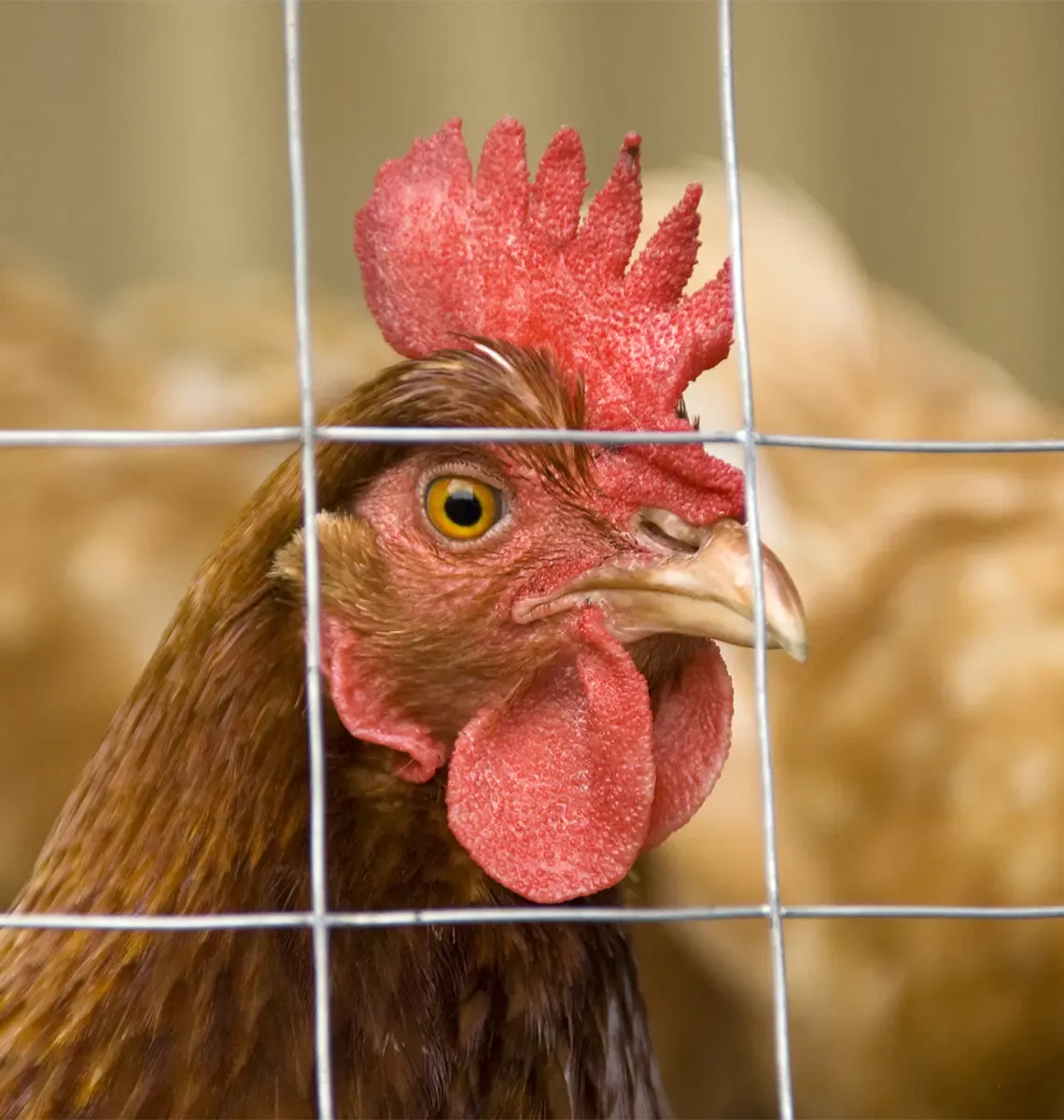
If you see signs of illness in your birds, act quickly. Report any sick or dying birds to your State veterinarian or to USDA by calling toll-free 1-866-536-7593 or connecting with your APHIS Area Veterinarian in Charge.