



Celebrating 50 Years of Medfly Defense: A Legacy of Innovation and Partnership
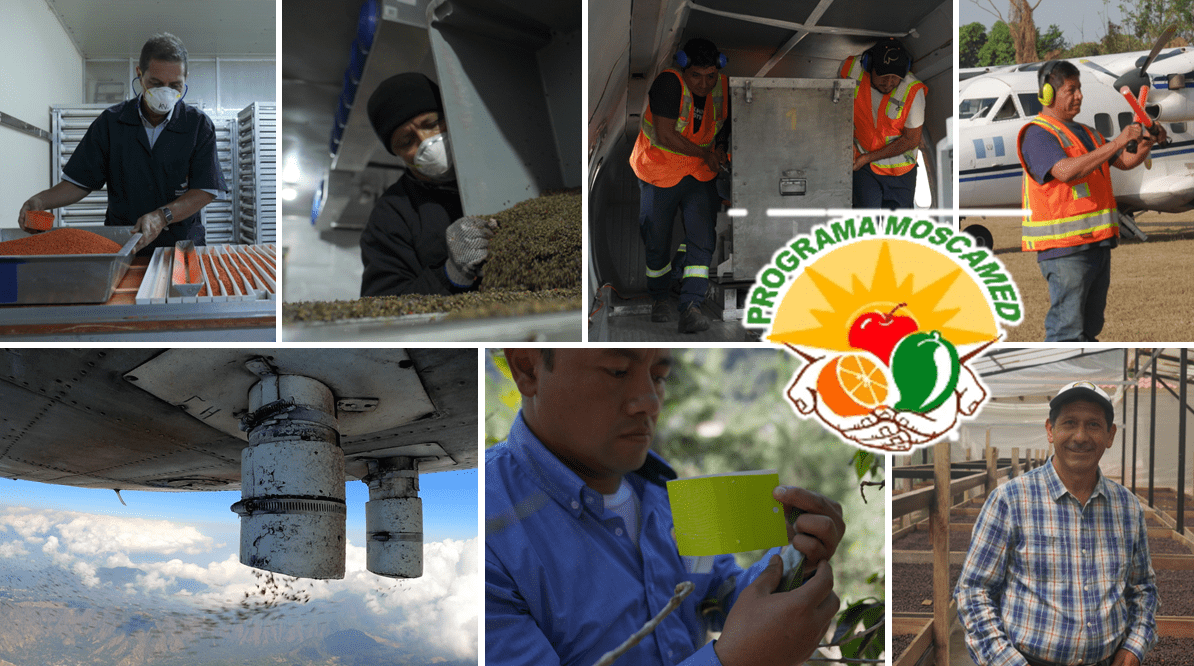
This year, USDA’s Animal and Plant Health Inspection Service (APHIS) reached a remarkable milestone: 50 years of the Medfly Program. This pioneering international partnership has stood as a critical line of defense against one of agriculture’s most destructive pests—the Mediterranean fruit fly (Medfly).
Launched in 1975, in collaboration with Mexico and Guatemala, the Medfly Program has evolved into a global model for pest management. The Medfly, capable of infesting more than 350 types of fruits and vegetables, poses a serious threat to food security, trade, and agricultural economies. But thanks to this enduring trilateral effort, the United States has maintained a protective barrier that prevents the pest’s northward spread—safeguarding billions in agricultural production and trade.
Science in Action: Sterile Insect Technique
At the heart of the program is the sterile insect technique—a revolutionary, environmentally friendly method of pest control. Operating out of the El Pino facility in Guatemala, the world’s largest sterile insect production center, APHIS and its partners produce 1.2 billion sterile Medflies each week. These flies are released in targeted areas to disrupt reproduction and suppress wild populations.
This strategy has been instrumental in maintaining Medfly-free zones in California and Florida, while also reducing pest pressure in neighboring regions. The result? Fewer pesticide applications, healthier crops, and stronger trade relationships.
A Global Standard in Pest Management
Over the past five decades, the Medfly Program has not only protected U.S. agriculture—it has set the gold standard for international cooperation and innovation in pest control. Its success has inspired similar programs around the world and positioned the United States as a leader in agricultural biosecurity.
Today, the program protects more than $18.5 billion in U.S. agricultural production and trade. And it continues to evolve, integrating cutting-edge tools and data-driven strategies to stay ahead of emerging threats.
A Shared Responsibility
As we celebrate this milestone, APHIS invites every American to play a role in protecting our agricultural legacy. Whether you're a traveler, grower, or consumer, your vigilance matters. Simple actions—like following travel restrictions on fresh produce—help keep invasive pests like the Medfly out of our country.
To learn more about the Medfly and how you can help, visit www.aphis.usda.gov/hungrypests/medfly