


Plant Protection and Quarantine (PPQ) Releases Fiscal Year 2025 Annual Report
American agriculture operates in a constantly evolving threat environment, requiring vigilant oversight to safeguard the Nation’s crops, natural resources, and economic stability. The U.S. Department of Agriculture’s (USDA’s) Plant Protection and Quarantine (PPQ) program serves as the Nation’s frontline defense by detecting emerging plant health risks early, responding rapidly, and managing invasive species to safeguard U.S. production, trade, and the broader economy. In fiscal year (FY) 2025, PPQ achieved significant success, celebrated key accomplishments, and addressed new challenges.
When New World screwworm (NWS) emerged as a mounting threat to the Nation’s livestock, wildlife, and food supply, PPQ actively supported USDA’s NWS five‑prong plan. The program directly managed more than $13 million in emergency funding to ensure that the new domestic NWS dispersal facility and critical equipment used to rear and disperse NWS flies internationally and domestically were delivered on time and within budget. PPQ also strengthened the Nation’s early warning systems by integrating NWS detection procedures into the fruit fly surveillance network and securing additional screening capacity from the Texas Department of Agriculture. To enhance border protection, PPQ advanced a new initiative to train and deploy detector canine teams at southern livestock ports of entry, adding a powerful frontline tool to help safeguard more than a billion dollars in livestock interests.
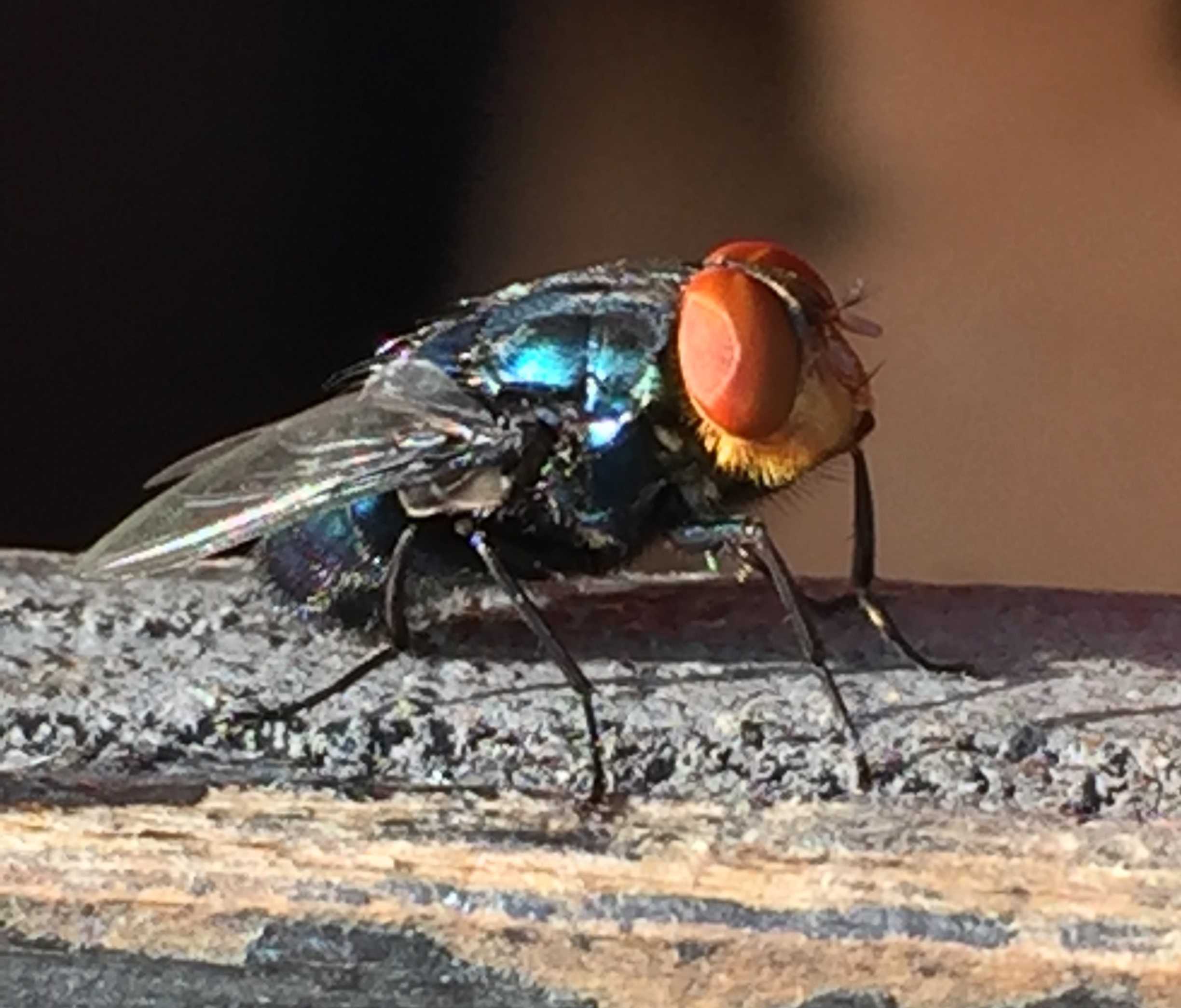
The eradication of exotic fruit fly outbreaks remained a major priority for PPQ. Exotic fruit flies are some of the most destructive and costly pests globally. In 2025, PPQ managed 15 outbreaks—4 in California, 10 in Texas, and 1 in New York—and successfully eradicated 10 (2 in California and 8 in Texas). PPQ and the Texas Department of Agriculture eliminated the remaining two FY 2025 Mexfly outbreaks in Texas early in FY 2026, while PPQ and the California Department of Food and Agriculture continued responding to the two California outbreaks that began in late FY 2025.
In FY 2025, PPQ began transitioning the Mexican fruit fly rearing program from the bisexual Willacy strain to a genetic sexing strain called the black pupal strain (BPS), at the Mexican Fruit Fly Mass Rearing Facility (MFFMRF) on Moore Air Base in Edinburg, TX. BPS enables sex-based sorting and male‑only sterile fly releases, which more effectively and efficiently suppress and control populations. PPQ used a multistage transition plan to avoid disrupting ongoing operations. This work included facility repairs to improve environmental conditions, methods development to optimize rearing protocols, and integrating new practices into rearing operations. PPQ entered the final stage of the BPS transition at the end of FY 2025.
On July 13, 2025, PPQ, in partnership with the Idaho State Department of Agriculture (ISDA) and the Idaho potato industry, deregulated a 119.71‑acre pale cyst nematode (PCN)-infested field in Bingham County, ID—the first in the PCN program’s history. At the close of FY 2025, a total of 56 fields—31 infested and 25 associated—were regulated for PCN. The regulated area in Idaho totaled 6,265.64 acres, including 3,420.10 infested acres and 2,845.53 associated acres.
On the trade front, PPQ supported U.S. exporters seeking to expand or improve overseas market access for plant products. PPQ finalized several longstanding requests, including opening exports of kiwi berries to Mexico (valued at $3.5 million) and removing barriers for U.S. sorghum grain to Malaysia (a potential $100 million market). PPQ also negotiated favorable conditions to retain access for wheat exports to Indonesia (worth $120 million) and seed exports to the European Union (worth over $40 million). Additionally, PPQ assisted exporters with shipments detained at foreign ports of entry for phytosanitary reasons, helping secure the release of more than $42 million in products.
Our FY 2025 Annual Report is available online. The report highlights major achievements and program outcomes from the past year. To our dedicated employees and partners—thank you for your continued commitment to safeguarding U.S. agriculture and natural resources. As we advance our shared mission to protect plant health and support safe agricultural trade, transparency and open communication with our stakeholders remain central to our work.
Sincerely,
Matthew Rhoads
Deputy Administrator
Plant Protection and Quarantine
Samantha J. Simon
Associate Deputy Administrator
Plant Protection and Quarantine