


Risk-Based Sampling
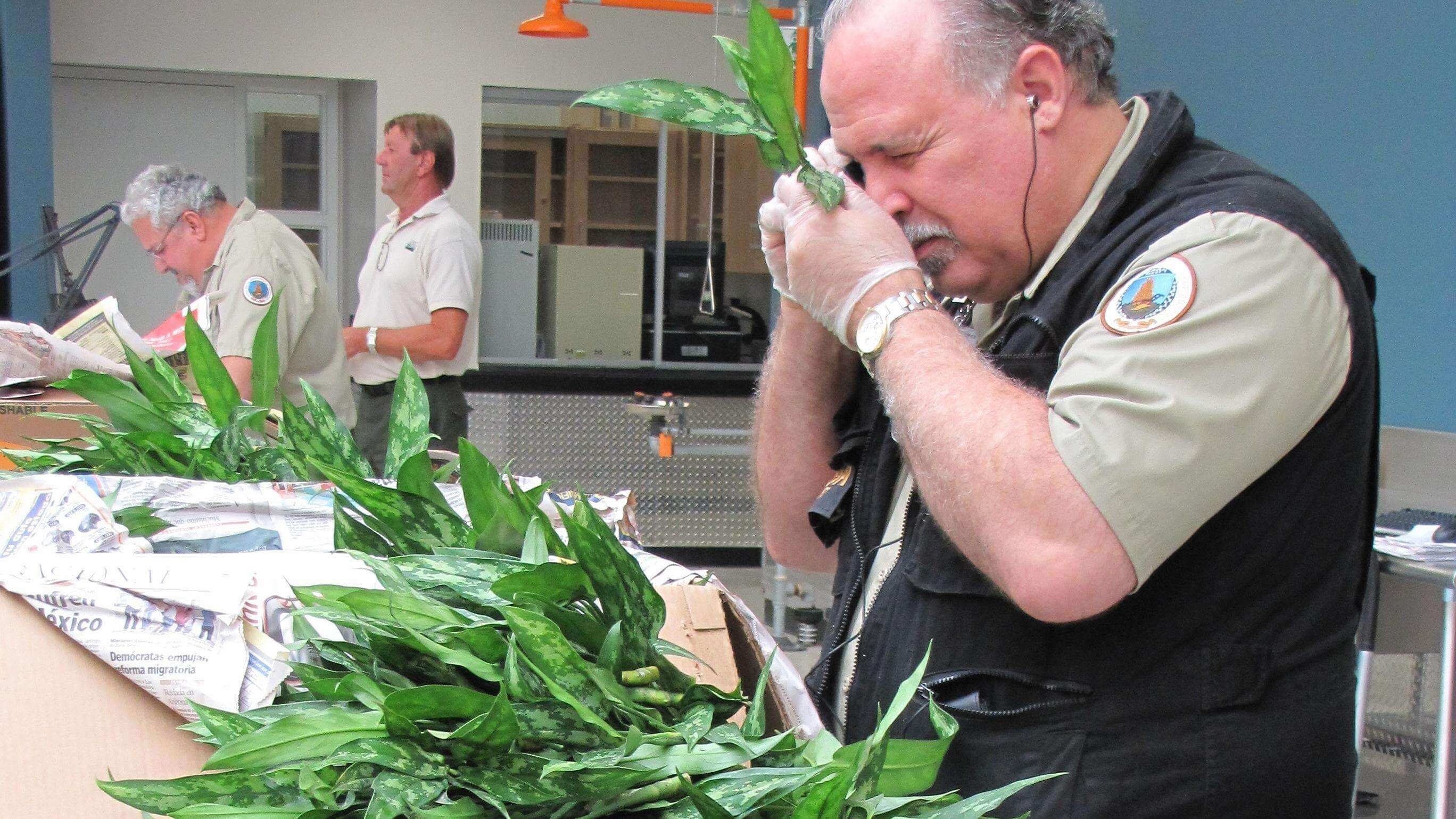
Every day in ports around the world, the fate of thousands of agricultural shipments is decided based on inspection. Countries rely on these inspections to protect their agriculture and natural resources against the introduction of invasive pests and disease.
Today, APHIS Plant Protection and Quarantine (PPQ), along with many other national plant protection organizations, is developing a data-driven strategy to maximize the effectiveness of its port inspections. The goal of this strategy is to better target and prioritize inspection activities based on risk.
Risk-Based Sampling at Ports of Entry and Current Commodities
APHIS and U.S. Customs and Border Protection (CBP) work together to carry out Risk-Based Sampling at Ports of Entry (RBS POE). This program is a data-driven way to sample fresh fruits, vegetables, and other imported commodities for inspection at U.S. ports of entry. Commodities with demonstrably lower pest interceptions are eligible for reduced inspection rates, which means they can move more efficiently through ports and into consumer markets. This, in turn, provides an incentive for traders to avoid shipping infested or noncompliant commodities.
Selected commodities at major air, maritime, and land border ports nationwide are currently included in the program. We continue to add new pathways, commodities, and ports of entry. For the latest information, visit our program landing page at the link below and sign up for email updates.
Risk-Based Sampling at Plant Inspection Stations
APHIS uses risk-based sampling to inspect imported plant material intended for propagation, including live plants, plant cuttings, and seeds, at its plant inspection stations. This data-driven approach uses information about the material’s country of origin, type, and inspection history to determine how many sampling units to inspect. Shipments with a strong compliance history receive a lower level of inspection, while shipments with a higher likelihood of carrying quarantine pests receive a higher level of inspection. This allows APHIS to focus inspection resources where they are most needed while maintaining consistent pest detection across shipments of different sizes.
All APHIS plant inspection stations currently use risk-based sampling. Compliance levels are regularly updated using recent inspection results, and the RBS Calculator uses those levels to randomly select sampling units for inspection. Risk-based sampling changes how samples are selected, but it does not change how inspectors examine plant material or how shipments are held, treated, or otherwise handled when pests or other contaminants are found.
Learn More About Risk-Based Sampling at Plant Inspection Stations (510.74 KB)
Related Resources
For More Information
APHIS Risk-Based Sampling Team
Contact us for more information about the development and use of risk-based sampling strategies at U.S. ports.
Darlene D. Judd
National Policy Manager—Risk-Based Sampling at Ports of Entry
Email: darlene.d.judd@usda.gov