





The Hungry Pests campaign works to raise awareness about invasive species, how they spread, and the damage they cause. By sharing our content on social media, you can help amplify these important messages to your audiences.
Our Campaign Initiatives
Throughout the year, the Hungry Pests campaign aims to educate our audiences about the dangers of invasive species. Alongside year-round efforts, our campaign targets certain times of year to help reach our audiences seasonally. You can help stop the spread of invasive species by sharing the content below with your audiences.
National Awareness Campaign
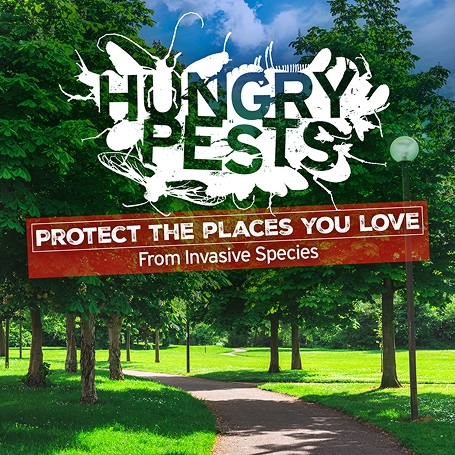
The Hungry Pests campaign centers on raising awareness of invasive species and the actions people can take to prevent their spread. Help remind your audiences to protect the places they love by learning more about hungry pests.
| Sample Caption | Media |
|---|---|
| Invasive pests can damage gardens, trees, parks and the native ecosystems that help communities thrive. They often spread unnoticed, hitching rides on firewood, plants, or outdoor gear. Learn how they spread and the simple everyday actions that can help protect the places you love from our friends @HungryPests: https://www.aphis.usda.gov/ plant-pests-diseases/hungry-pests/how-stop-them |
|
| From backyards and parks to forests and farmland, invasive pests put the places we care about at risk. They often spread unnoticed, hitching rides on firewood, plants, or outdoor gear. Simple actions can make a big difference. Learn how pests spread and what you can do to help stop them from our friends at @HungryPests: https://www.aphis.usda.gov/ plant-pests-diseases/hungry-pests/how-stop-them |

Download MP4 (15-sec portrait) |

National Invasive Species Awareness Week (February)
Every year at the end of February, National Invasive Species Awareness Week (NISAW) aims to raise awareness about invasive species. Use this week to educate your audiences about invasive species and the risks they can present if left unchecked.
| Sample Caption | Media |
|---|---|
It’s National Invasive Species Awareness Week—the week we The good news? You can help @HungryPests stop the spread |

|

Invasive Plant Pest and Disease Awareness Month (April)
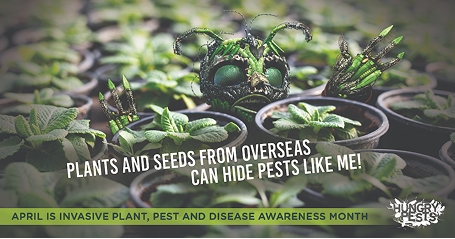
Each April, the U.S. Department of Agriculture recognizes Invasive Plant Pest and Disease Awareness Month (IPPDAM) to highlight the threats invasive pests and diseases pose to America’s crops and forests. Help raise awareness by encouraging your audiences to take simple actions that can prevent their spread.
| Sample Caption | Media |
|---|---|
It’s #IPPDAM! Invasive plant pests can hitchhike in luggage, Help stop the spread: Learn more from @HungryPests: https://www.aphis.usda.gov/ |
|

Moving Month (May)
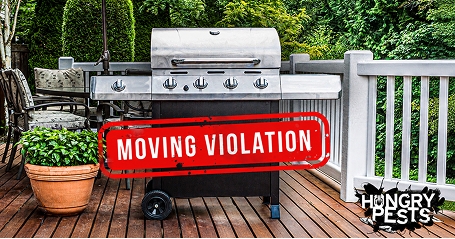
May is the busiest time of the year for moving. Moving Month is an important opportunity to remind people that invasive pests can travel on outdoor furniture, plants, soil, vehicles, and other belongings. Use this time to encourage your audience to inspect and clean outdoor items before moving them to a new home or community.
| Sample Caption | Media |
|---|---|
Headed somewhere new this May? Don’t let unwanted pests Before packing up outdoor items like patio furniture, grills, or |
|

Tree Check Month (August)
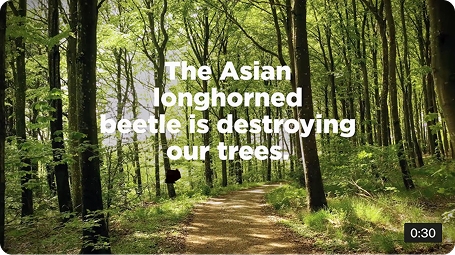
The U.S. Department of Agriculture recognizes Tree Check Month each August, when adult Asian longhorned beetles are most active and easier to spot. Encourage your audiences to check trees in their yards and neighborhoods for the beetles and signs of infestation, including round holes and sawdust-like material around trees.
| Sample Caption | Media |
|---|---|
.. Tree Check Month is here! The Asian longhorned beetle .. Help our friends at @HungryPests and learn what to look |
|
Firewood Month (October)
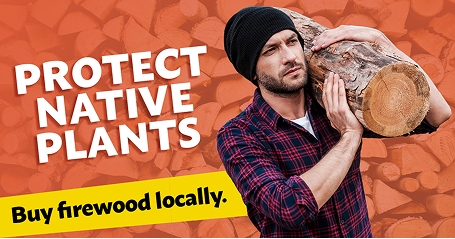
October is Firewood Month. Help remind travelers, campers, and outdoor enthusiasts to buy firewood where they burn it or use certified heat-treated firewood to prevent invasive pests from spreading to new areas.
| Sample Caption | Media |
|---|---|
| We all play an important role in protecting nature. Help protect native plants and stop the spread of invasive species this Firewood Month by following precautions such as buying local or using certified heat-treated wood. Help our friend at @HungryPests and learn more: https://www.aphis.usda.gov/ plant-pests-diseases/hungry-pests/how-stop-them/only-buy- firewood-where-you-burn-it |
|

Get in Touch
Are you interested in partnering with the Hungry Pests campaign and need more information? Please contact the Hungry Pests campaign manager: