





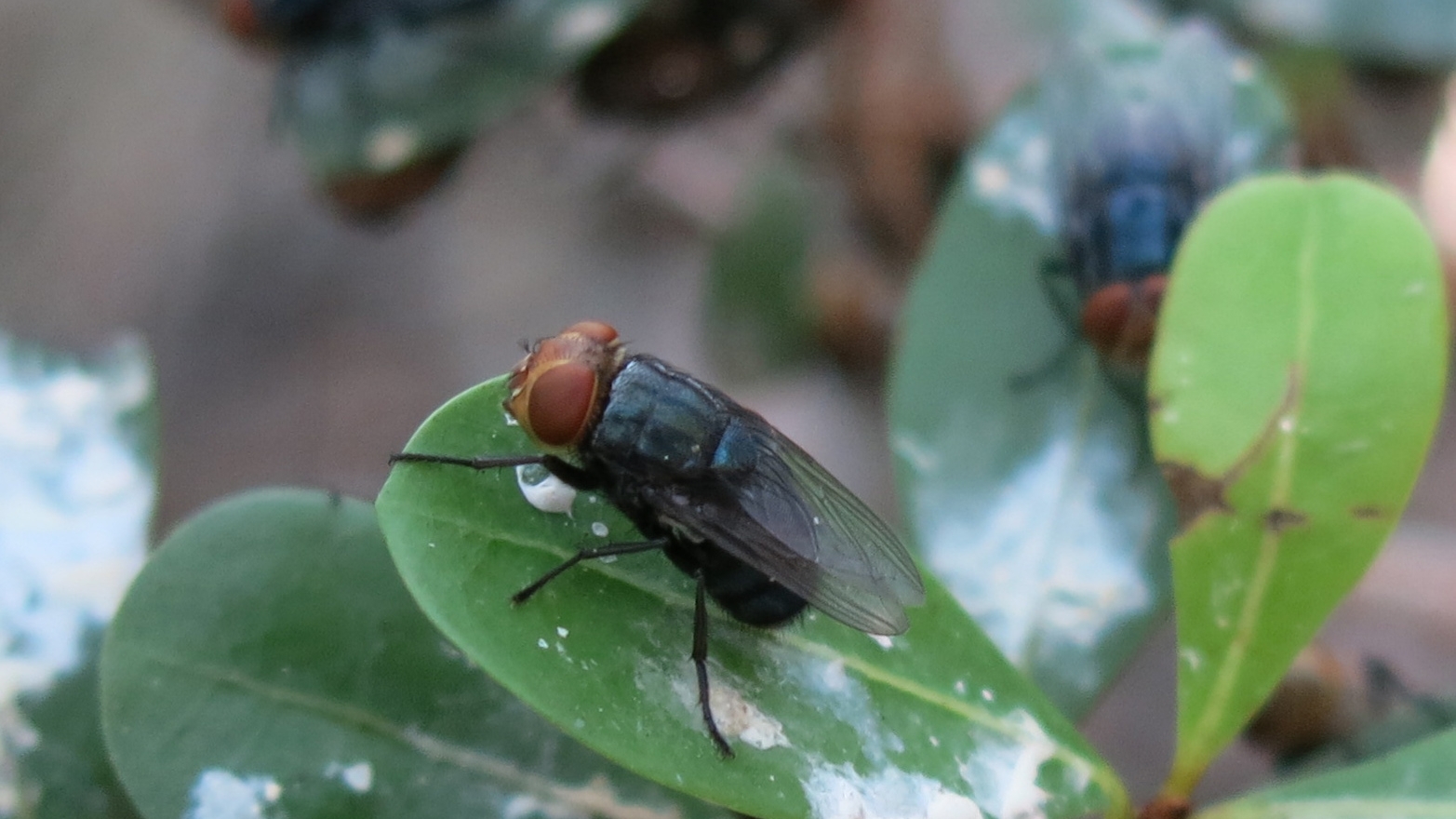
Proven Effectiveness of SIT
Advancements in Sterile Insect Technique
USDA is working on a significant enhancement to its long‑standing and successful Sterile Insect Technique program. The new NovoFly™ male‑only strain is designed to improve efficiency by increasing the number of sterile male flies available for release. NovoFly™ is not currently used in SIT operations; USDA is sharing information now so stakeholders can better understand the technology, how it works, and how it may support future NWS eradication efforts once regulatory reviews and field evaluations are complete.
How SIT Works
-
In specialized facilities, NWS pupae are exposed to gamma radiation to produce sterile flies—without affecting their ability to survive or mate.
-
Sterile flies are released into the environment.
-
Wild NWS flies mate with the sterile flies. Their resulting eggs don't hatch.
-
Because female NWS flies mate just once, the pest population gradually dies out.
Sterile Fly Production
How Sterile Flies Are Released
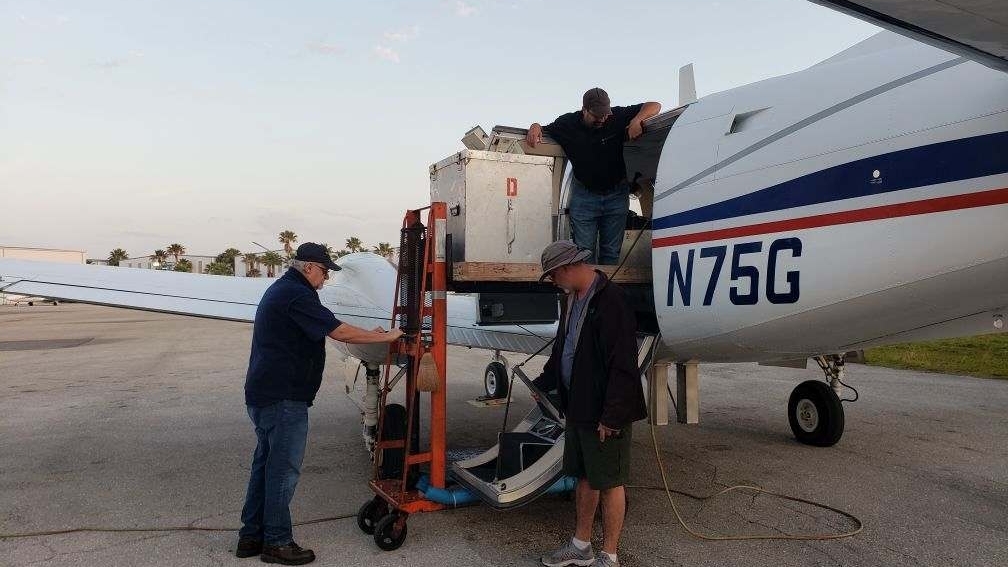
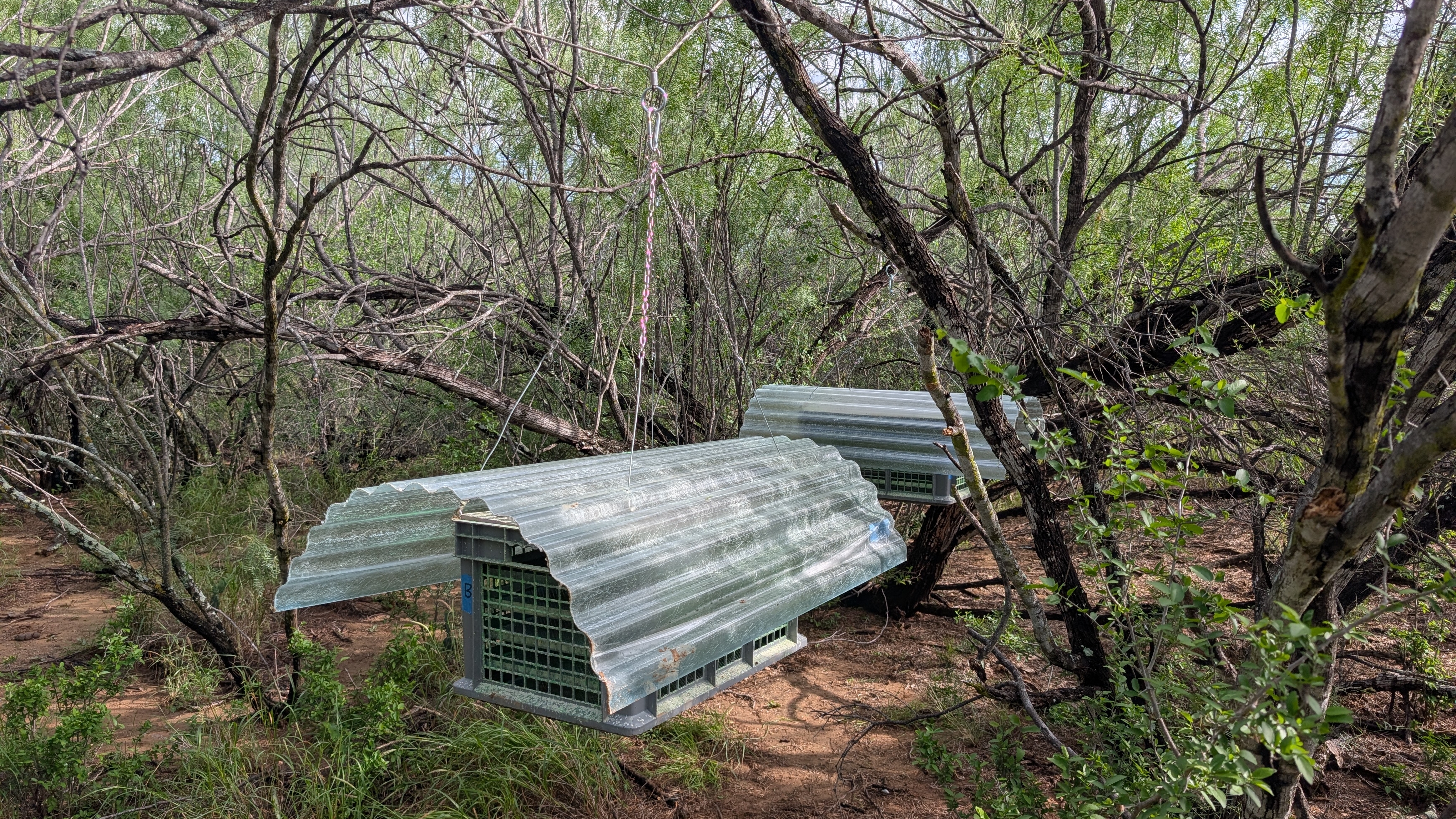
Sterile flies are released in and around infested areas to increase the likelihood that wild NWS flies will mate with them. USDA continuously monitors new detections and adjusts release patterns to maintain suppression and prevent spread.
Aerial Dispersal
Ground Release
Public Awareness and Monitoring
You Don’t Need To Look for NWS Flies
Many fly species look alike, and even a true NWS fly could be a harmless sterile one released for eradication efforts. So there’s no need to watch for flies themselves. Instead of looking for flies, focus on protecting your animals:
- Check your animals regularly for signs of NWS infestation.
- Report suspected cases right away if you notice anything unusual.
What To Look For
- Larvae (maggots) and eggs in or around body openings such as the nose, ears, and genital areas, or the navel of newborn animals
- Draining or enlarging wounds
- Foul odor or the smell of decay
- Signs of pain such as irritated behavior, depression, not eating, or isolating from other animals or people