


Importing Live Cattle and Bison From Mexico to the United States
USDA has announced a phased reopening of select ports of entry along the southern border for the import of cattle from Mexico. For more information, see the latest USDA press release (July 2026).
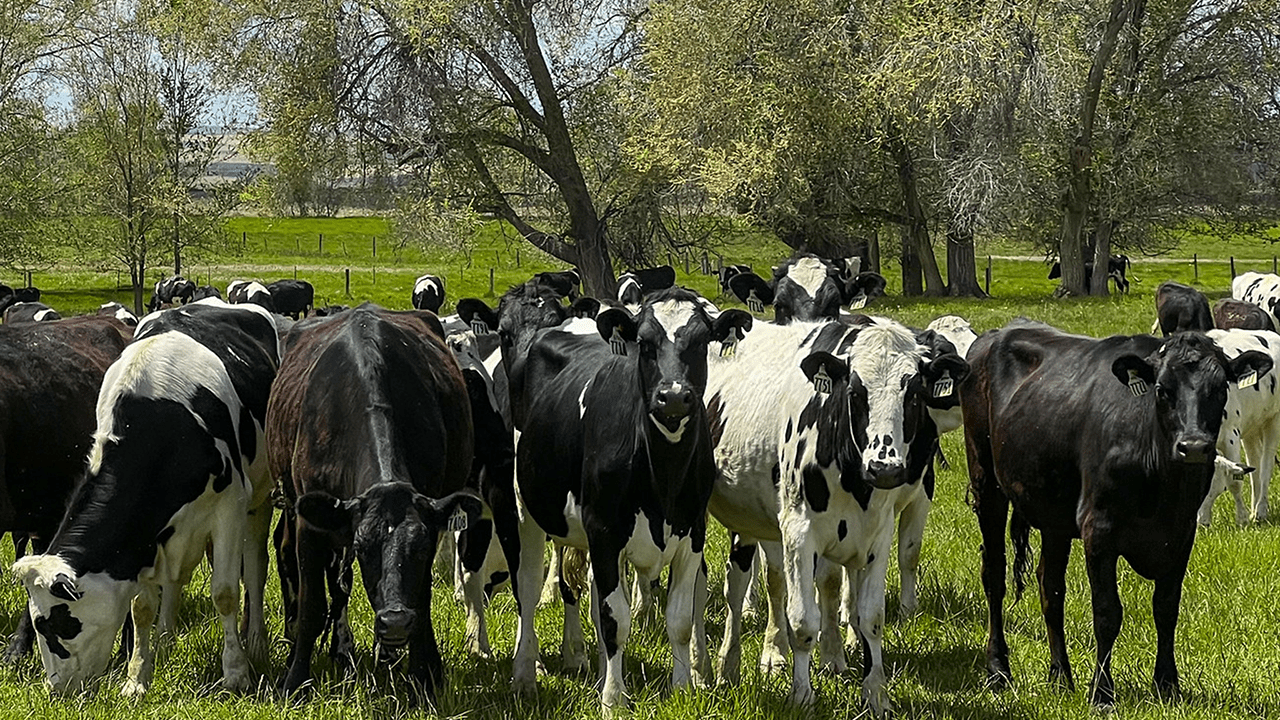
APHIS regulates the importation of all ruminants and their germplasm (embryos/oocytes, semen, cloning tissue) to prevent the spread of animal diseases. Ruminants include all animals that chew the cud, such as cattle, buffaloes, sheep, goats, deer, antelopes, camels, llamas, and giraffes.
Requirements
Southern Border Ports With Facilities Currently Approved by APHIS To Export Bovines to the United States
USDA has announced a phased reopening of select ports of entry along the southern border for the import of cattle from Mexico. Dates of port reopenings are as follows:
- Douglas, AZ—August 24, 2026
- Santa Teresa, NM—September 24, 2026
- Columbus, NM—To be determined
All other southern border ports of entry remain closed for the import of livestock.
Protocols for the Import of Feeder Cattle, Breeding Cattle, and Cattle for Immediate Slaughter From Mexico to the United States; No Permit Is Required
- Protocol for the Import of Sexually Intact (Breeder) Bovines From Mexico into the United States (389.5 KB) | June 2026
- Model Health Certificate: Breeding Cattle and Bison From Mexico (219.57 KB) | August 2026
- Protocol for the Import of Steers and Spayed Heifers Cattle and Bison (Feeders) From Mexico (320.46 KB) | June 2026
- Model Health Certificate: Feeder Cattle and Bison From Mexico (219.49 KB) | August 2026
- Model Health Certificate: Rodeo Cattle from Mexico (221.14 KB)
- Transit Canadian Cattle and Bison to Mexico (39.39 KB)
New World Screwworm Requirements for Cattle and Bison From Mexico
- APHIS-SENASICA New World Screwworm Protocol for the Importation of Ruminants From Mexico to the United States (211.59 KB) | August 2026
- New World Screwworm Inspection and Treatment Certificate for Cattle Exported to the United States (26.31 KB) | August 2026
- Addendum to the Zoosanitary Export Certificate of Official Export Inspection and Freedom From New World Screwworm for Cattle Exported to the United States (215.12 KB) | August 2026
- APHIS-Approved Products for Import of Livestock From New World Screwworm-Affected Countries
Additional Import Guidance
What You Need To Know
- U.S. transits are classified as shipments presented to a U.S. port of entry for conveyance purposes to then be transported to a destination country shortly after.
- Please note that any animals and their germplasm transiting the United States must not transit countries with questionable disease statuses prior to reaching a U.S. port of entry.
- All transits require a contingency plan. Submit your contingency plan with your permit application (VS 17-129 (211.74 KB)) to laipermits@usda.gov. To submit an import permit electronically, visit APHIS eFile.
- If you are applying to import live animals, semen, and embryos, you may submit applications by email to laipermits@usda.gov.
Contact Us
Live Animal Imports
For questions about import permits or permit applications:
Live Animal Import Permit Team
Email: laipermits@usda.gov
Phone: 301-851-3300
For general questions related to the import of a live animal:
Live Animal Import and Export
Email: laie@usda.gov
Phone: 301-851-3300