Last Modified: September 21, 2026
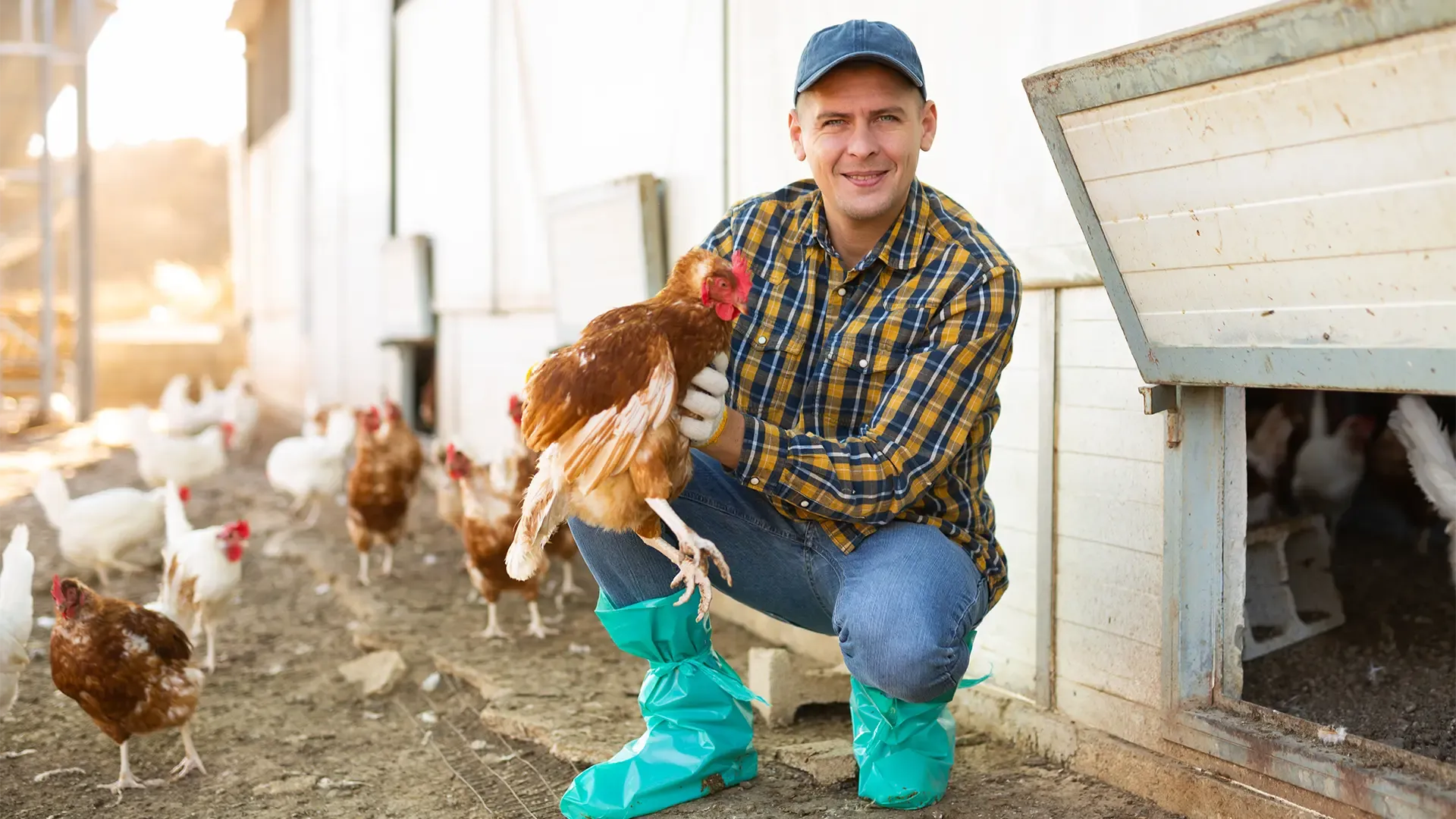
A man holds a chicken wearing gloves and boot covers

Harmful germs can enter your flock area on people, clothing, shoes, boots, and other items. One of the best ways to protect your birds is to limit what comes near them and make sure anyone who does enter follows your biosecurity routine.

How To Control What Comes In
  • Limit Visitors Around Birds

    Only allow people who care for your birds to come in contact with them. Visitors can carry pathogens on their clothes, shoes, hands, or equipment, even if they do not have birds of their own.

  • Make Sure Everyone Knows the Rules

    Everyone who enters your flock area needs to know and follow your biosecurity plan. This includes family members, helpers, workers, neighbors, or anyone else who may handle your birds or enter their space. Download posters and factsheets to display at the entrance of your facility.

  • Wear Clean, Dedicated Clothing and Footwear

    Clothing, shoes, and boots can pick up germs from other places and bring them into your flock area. When handling birds, wear disposable coveralls, shoe covers, and headgear. Or have a set of washable clothing and footwear reserved just for that work. For even more protection, step into a disinfectant footbath on the way in and out.

  • Wash Hands Frequently

    This simple step—before and after contact with poultry—helps prevent the spread of disease from farm to farm or bird to bird. Soap and water are always best. If those aren’t available, hand sanitizer is a good substitute. Make sure to remove any manure, feathers, and other materials first so the disinfectant can work.

  • Keep Species Separate

    To prevent cross-contamination, keep different types of animals separate—including their food, litter, and equipment.

Learn More About Biosecurity