Last Modified: September 21, 2026
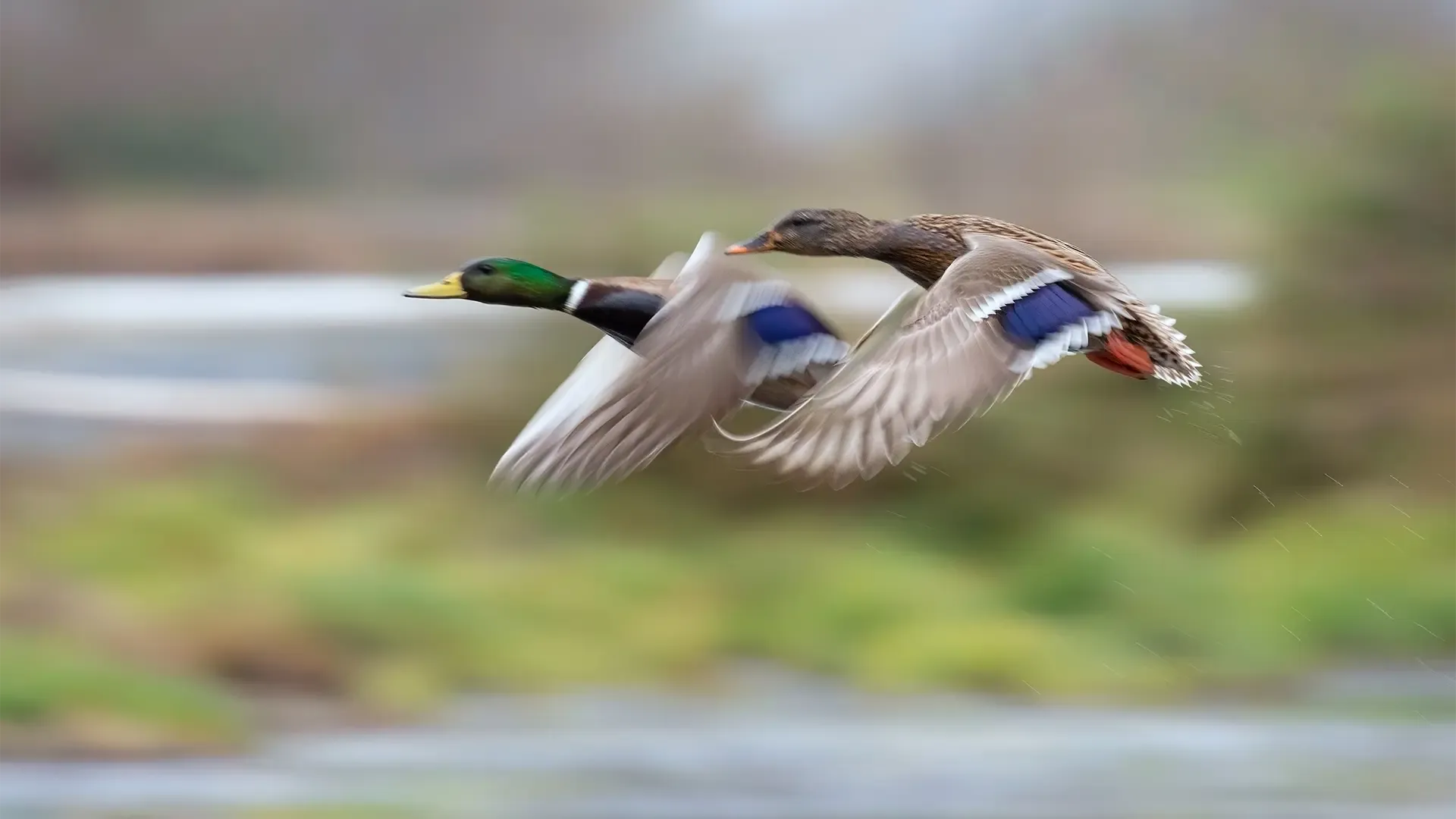
Flying mallard ducks

Wild birds such as ducks, gulls, and other waterfowl can carry and spread avian influenza and other diseases without showing signs of illness. To help protect your poultry, take steps to keep wild birds and other wildlife away from your farm and reduce things that attract them.

How To Keep Wild Birds and Other Critters Away
  • Secure Buildings

    • Repair holes in buildings.
    • Regularly check and repair damaged screens on windows and doors.
    • Install netting or screens.
    • Use repellent gel or bird spikes to deter perching.
    • Regularly inspect foam insulation for signs of digging, chewing, or pecking.
    • Wash away or remove old nests before each nesting season.
    • Install decoys and scare devices and move them regularly so wildlife doesn't become accustomed to them.
  • Manage Ponds and Basins

    • Prune or remove plants from banks of manmade water structures.
    • Use wire grids, predator decoys, and scare devices to keep waterfowl away.
    • Use fencing to separate natural ponds from the active area around barns.
  • Remove Food That Attracts Unwanted Guests

    • Don't feed wildlife!
    • Locate feed structures on a clean pad.
    • Inspect pipes and connections regularly for leaks.
    • Keep a broom at feed storage areas for quick cleanup of spills.
    • Remove fallen fruit and mow grass often.
    • Don't pile used litter near barns.
  • Cover Waste

    • Keep carcasses and compost piles covered at all times.
    • Always close and latch dumpster and trash can lids.
  • Remove Standing Water

    • Grade property to avoid pooling water.
    • Fill or grade areas where water stands for more than 48 hours after a heavy rainfall.
    • Use French drains and culverts to carry water away from poultry houses.
    • Don't walk or move equipment through standing water. Doing so can track wildlife feces and other contaminants into your barns.
    • Never use untreated surface water for watering poultry or cleaning poultry barns and other facilities.
    • Inspect pipes and connections regularly for leaks.

Want a printable version of this information? Download it here. (200.66 KB)

USDA and other experts recommend an integrated wildlife management approach. Some methods, including handling nests and eggs or removing wildlife, require specialized expertise and permits. The removal of native wildlife is regulated under Federal and State laws.

Have more than 500 birds? Get a free Wildlife Biosecurity Assessment from USDA.

APHIS Wildlife Services will conduct on-farm assessments to identify how wildlife could spread disease to your flocks. We will recommend facility repairs and options for managing wildlife to shield your poultry from disease.

Learn more about the types of biosecurity assessments and how to request one.

Learn More About Biosecurity